 servxhub
4 weeks ago in Manufacturing & Industrial, Retail Shops
Social Bookmarking Site med Høj Autoritet for Dansk SEO i 2026 - A2Bookmarks Danmark
A2Bookmarks Denmark er den førende danske sociale bookmarking site, hvor du kan gemme, organisere og dele dine yndlingslinks og websider. Vores platform, som er en af de mest effektive danske sociale bookmarking sites i 2026, hjælper dig med at opdage relevant dansk indhold, forbinde med ligesindede brugere og forbedre din online synlighed gennem avancerede værktøjer. Stærk dit linkprofil og opnå bedre rankings i danske søgeresultater ved at dele og promovere dit indhold på vores specialiserede social bookmarking side for det danske marked. Perfekt til både privatpersoner og virksomheder der ønsker at styrke deres digitale tilstedeværelse, tilbyder vi skræddersyede løsninger til danske brugere via vores sociale bookmarking platform i Danmark. Uanset om du søger de seneste trends, værdifulde ressourcer eller ønsker at udvide dit faglige netværk, giver A2Bookmarks dig de værktøjer der skal til for effektivt at navigere i det digitale rum. Bliv en del af Danmarks mest dynamiske sociale bookmarking sites fællesskab i dag og transformér din måde at finde, gemme og dele værdifuldt dansk indhold på.
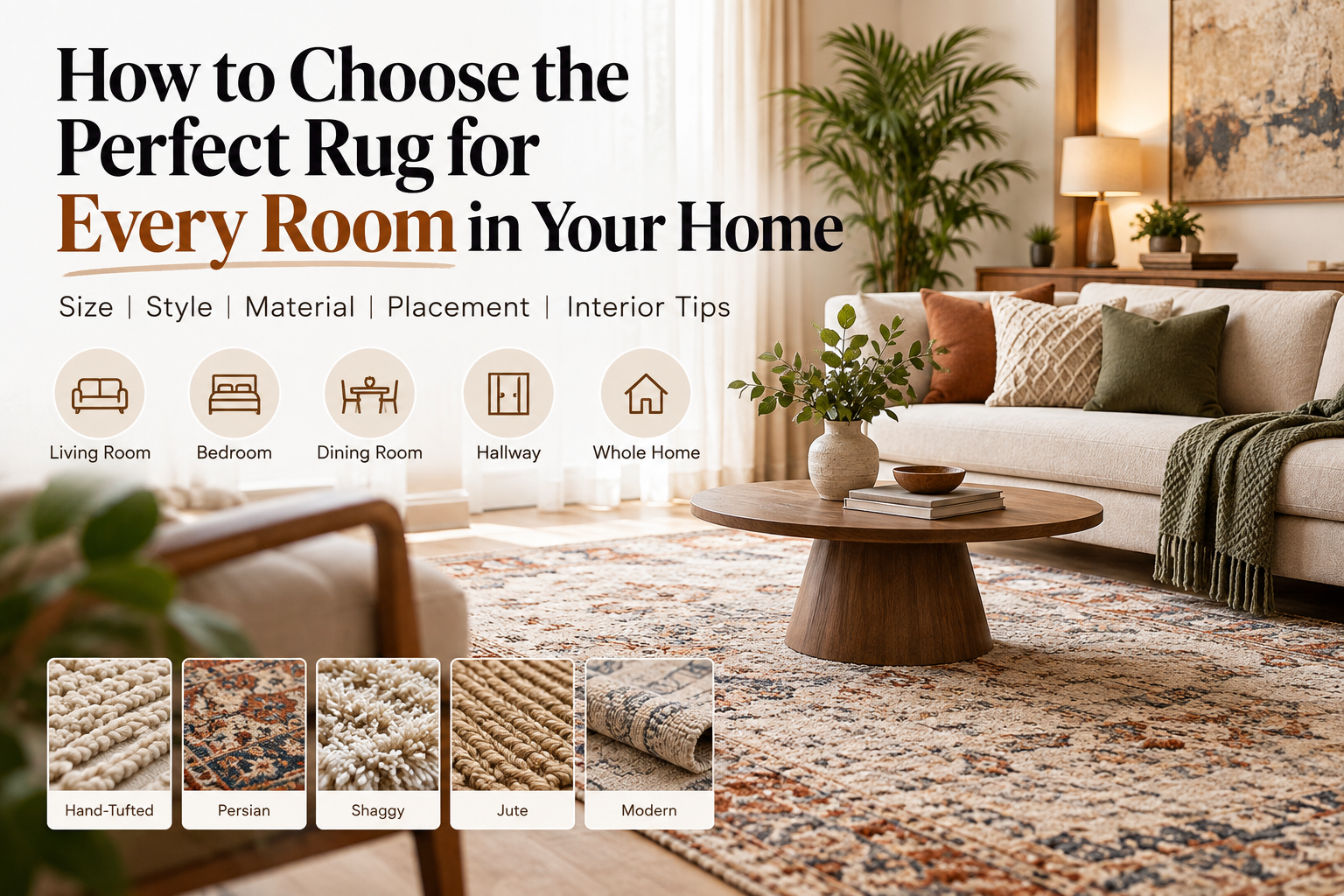
How to Choose the Perfect Rug for Every Room in Your Home rugstudio.in
servxhub
4 weeks ago in Manufacturing & Industrial, Retail Shops
How to Choose the Perfect Rug for Every Room in Your Home
A rug can completely change the character of an interior. It can make a room feel warmer, define a particular area, introduce colour and texture, and create a stronger connection between furniture and décor. Whether you are furnishing a new home or refreshing an existing room, choosing the right rug requires more thought than simply selecting a pattern that looks attractive.
The ideal rug depends on several factors, including the size of the room, furniture arrangement, interior style, material, texture, colour, and everyday use. Understanding these factors can make it easier to select a rug that looks good while also working practically within the space.
Start With the Size of the Room
One of the first things to consider when choosing a rug is its size.
A rug that is too small can make furniture appear disconnected, while an oversized rug may dominate a compact room. Before purchasing, measure the area where you intend to place the rug and consider the position of surrounding furniture.
In a living room, for example, a larger rug can help visually connect a sofa, chairs, and coffee table. In a bedroom, the rug can be positioned underneath the bed or alongside it depending on the room’s dimensions.
For anyone unsure about standard dimensions, a rug size guide can be helpful when comparing different options for bedrooms, living rooms, dining areas, and other spaces.
Choosing a Rug for the Living Room
The living room is often the centre of the home, making it an important place for a well-chosen rug.
A rug can help establish a visual boundary around the seating area. In a larger living room, positioning the front legs of sofas and chairs on the rug can create a more unified arrangement. Smaller rooms may benefit from a more compact rug placed beneath the coffee table.
The design should also complement the furniture. Neutral furniture can work well with patterned or textured rugs, while a room that already contains bold colours and patterns may benefit from a simpler rug.
The objective is to create balance rather than matching every element exactly.
Create a Comfortable Bedroom
Bedrooms are spaces where comfort is particularly important. A soft rug can make the floor more comfortable underfoot while adding warmth to the overall interior.
When selecting bedroom rugs, consider the available floor space around the bed, the colour of the bedding, and the existing furniture.
A larger rug can extend beyond the sides of the bed and create a cohesive appearance. Alternatively, runners or smaller rugs can be positioned along the sides of the bed, particularly in smaller bedrooms.
Texture can also play an important role. A deeper, softer pile can create a more relaxed atmosphere, while a low-pile rug may provide a cleaner and more understated appearance.
Rugs for Dining Areas
Dining areas require careful consideration because chairs need to move freely across the rug.
Ideally, the rug should extend far enough beyond the dining table to accommodate chairs when they are pulled away from the table. If the rug is too small, chair legs may catch on its edge.
The shape of the rug can also complement the dining table. A rectangular rug can work naturally beneath a rectangular table, while a round rug can create an interesting relationship with a round dining table.
When selecting a dining rug, consider maintenance as well. Dining areas can experience spills and frequent movement, so practical materials and easy maintenance may be important considerations.
Use Runner Rugs in Narrow Spaces
Not every area of a home requires a traditional rectangular area rug.
Runner rugs are particularly useful in hallways, corridors, beside beds, dressing areas, and other narrow spaces. Their elongated shape allows them to add colour and texture without taking up too much floor space.
In a hallway, a runner can create a visual pathway and make an otherwise plain passage feel more finished. In a bedroom, it can provide a comfortable surface beside the bed.
The width and length should be appropriate for the available space, with enough visible flooring around the edges to prevent the area from feeling crowded.
Consider Different Rug Materials
Rug material influences appearance, texture, durability, and maintenance.
Wool is known for its natural softness and warmth, while jute can provide an earthy and natural appearance. Cotton can offer a lighter and more casual feel, while synthetic materials may be selected for specific practical requirements.
Handcrafted rugs can also introduce distinctive textures and patterns into an interior.
The best material depends on where the rug will be used. A decorative rug in a quiet bedroom may have different requirements from one placed in a busy hallway or frequently used living area.
Hand-Tufted Rugs for Contemporary Interiors
Hand-tufted rugs are often chosen for their ability to incorporate detailed designs, patterns, and textures.
They can work particularly well in contemporary interiors where the rug is intended to contribute to the overall visual identity of the room.
Geometric designs, abstract patterns, subtle textures, and neutral colour combinations can all be used to complement modern furniture and décor.
When considering a hand-tufted rug, pay attention to the construction as well as the appearance. The rug should suit both the room’s design and the way the space is used.
Add Texture With Shaggy Rugs
Texture can have a significant effect on how an interior feels.
Shaggy rugs feature a deeper and more tactile surface that can create a softer and more relaxed atmosphere. They can be particularly suitable for bedrooms, cosy seating areas, and spaces where comfort is a priority.
A textured rug can also add depth to a neutral interior. Even when the colour palette is simple, differences in texture can make the room more visually interesting.
However, deeper-pile rugs may require more attention during cleaning and maintenance, so consider your household’s lifestyle before choosing one.
Think About Colour
Colour is one of the most noticeable aspects of a rug, but it does not necessarily need to match the rest of the room exactly.
Instead, look for colours that complement the existing interior.
A neutral rug can help calm a room containing colourful furniture or artwork. Conversely, a patterned or colourful rug can add personality to an otherwise simple space.
Natural tones such as beige, cream, brown, grey, and muted earthy colours can work across many interior styles. Stronger colours can be used when the rug is intended to become a focal point.
Match the Rug to Your Lifestyle
A rug should look good, but it should also suit everyday life.
Consider how much foot traffic the room receives. A rug in a quiet bedroom may be selected primarily for comfort and appearance, while one in a hallway may need to handle considerably more movement.
Homes with children or pets may also require additional consideration regarding material, colour, pile height, and cleaning requirements.
Thinking about these practical factors before purchasing can help you choose a rug that remains suitable over time.
Create a More Connected Interior
A rug can also help connect different elements within a room.
For example, one colour from the rug can be repeated in cushions, curtains, artwork, or decorative accessories. This creates visual continuity without requiring everything to match.
Furniture placement is equally important. A rug should look intentionally positioned rather than squeezed into whatever floor space remains.
Leaving some visible flooring around the rug can help define its boundaries and make the overall arrangement feel more balanced.
Choosing Rugs for Modern Indian Homes
Indian homes often combine different design influences, from traditional patterns and handcrafted textures to contemporary furniture and minimalist interiors.
This makes rugs particularly versatile. A Persian-inspired design can introduce traditional character, while an abstract or geometric rug can complement a contemporary room.
Natural materials such as jute can work well with earthy interiors, while soft tufted and shaggy styles can create a more comfortable atmosphere in bedrooms and living spaces.
The important consideration is how the rug interacts with the rest of the room.
Rug Studio and Modern Interior Styling
For homeowners exploring different rug styles, Rug Studio offers thoughtfully designed and handcrafted floor coverings for modern Indian interiors. Its range includes hand-tufted, hand-knotted, Persian, jute, shaggy, runner, contemporary, and designer rug styles.
The brand focuses on combining craftsmanship, comfort, and character with designs intended for different areas of the home.
Rather than treating a rug as simply a floor covering, it can be approached as an important part of the interior design scheme.
Final Thoughts
Choosing the right rug is ultimately about finding the right combination of size, style, material, texture, colour, and practicality.
Start by understanding the room and measuring the available space. Then consider how the rug will interact with furniture, flooring, lighting, and other decorative elements.
A well-selected rug can soften a bedroom, define a living area, bring warmth to a dining space, or transform a narrow hallway. With thoughtful planning, even a simple rug can make a significant difference to the character and comfort of a home.
voters
Report Story 
Related Stories





Recent Stories